
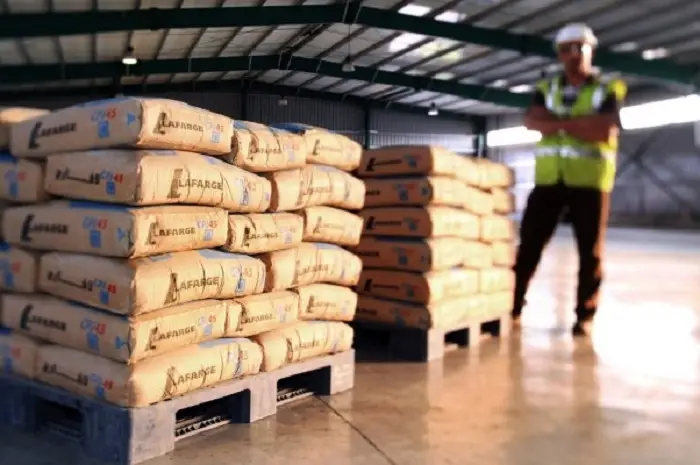
Cement sales in Morocco — the main barometer of activity in the construction sector — fell by 5.3% over the first five months of 2026, a sharp reversal from the same period a year earlier, when they had risen 9.5%, according to the Directorate of Financial Studies and Forecasts (DEPF), the research arm of Morocco’s finance ministry.
The picture within the year, however, has been uneven. In its latest economic briefing, the directorate noted that cement sales actually edged up 1.9% during the first two months of the second quarter of 2026, recovering somewhat after a steep 10.9% drop in the first quarter. Because cement consumption tracks building activity closely — every bag sold reflects construction underway — these swings are read as a real-time signal of how the property and infrastructure sectors are faring.
Financing for real estate, by contrast, has held up better. Outstanding loans for housing grew 3% at the end of April 2026, broadly in line with the 2.9% recorded a month earlier and the 2.5% posted at the end of April 2025. Lending tied to real-estate development climbed 3.5%, though that marked a clear slowdown from the 8.4% increase seen a year before. Taken together, total outstanding real-estate loans reached 325.7 billion dirhams at the end of the first four months of 2026, firming by 3.6% year-on-year after a 3.3% rise over the same stretch in 2025.
The contrast between softening cement sales and still-growing property credit suggests demand for housing finance has remained relatively resilient even as on-the-ground construction activity lost momentum in the opening months of the year.