


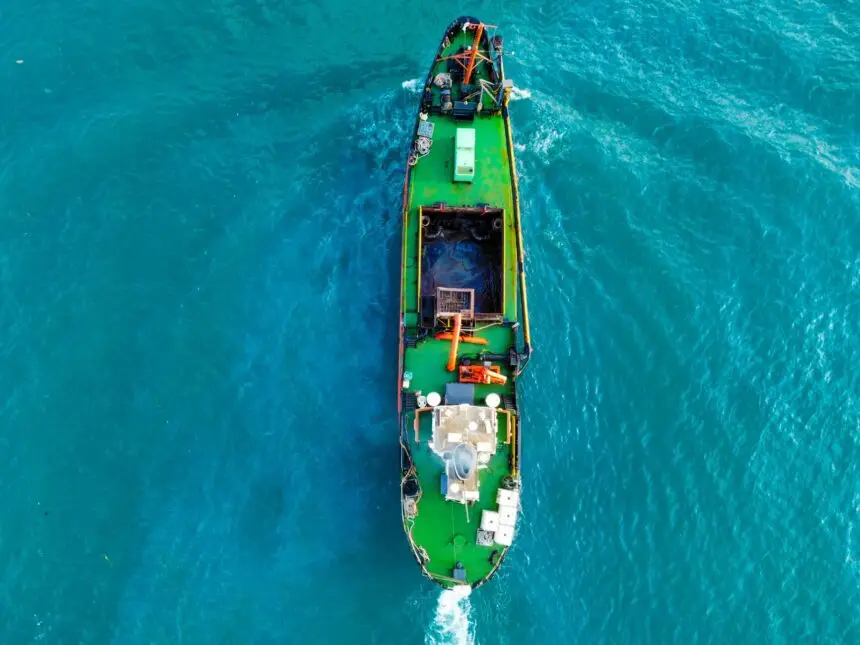
A recent ranking by The African Exponent, a platform specializing in African affairs, has placed the Kingdom of Morocco tenth on the list of African countries with the strongest commercial maritime fleets this year, noting that Morocco owns a merchant fleet of roughly 94 ships — enough to rank it 72nd worldwide on that measure.
Although Morocco’s fleet is relatively modest, the platform observed, the Kingdom’s maritime influence rests on the scale of its logistics network: it recorded 120.9 million dollars in goods trade and 42.3 million dollars in transport-services trade, showing that its shipping sector is tightly bound to international commerce rather than to fleet size alone.
That advantage is reinforced by port infrastructure. Morocco handled 9.96 million standard containers in 2024 — the highest rate among the countries in the ranking — while Tanger Med port connects to more than 180 ports across over 70 countries and supports an industrial ecosystem of more than 1,400 companies. Taken together, the ranking said, these indicators show how port connectivity and industrial integration have expanded Morocco’s maritime significance well beyond the number of ships it operates.
Liberia topped the list with a merchant fleet of more than 4,000 ships. According to the platform, Liberia owes its position to holding one of the largest open ship registries in the world, with over 5,000 vessels flying the Liberian flag and a total capacity exceeding 408 million tonnes — making it one of the world’s leading flag-granting nations despite a relatively small domestic commercial economy.
Nigeria came second with a fleet of 928 ships, placing it 21st worldwide thanks to its maritime location and strong domestic shipping bases. The list also featured Cameroon, Tanzania and Sierra Leone.
The African Exponent affirmed that Africa’s strongest commercial fleets form the backbone of trade, logistics services and industrial supply chains, noting that the continent’s most powerful merchant fleets are concentrated in countries adopting entirely different maritime models: while some have built global influence through internationally competitive ship registries, others draw their strength from trade flows, port infrastructure, industrial exports or regional logistics networks.
Some countries, the platform explained, boast one of the most active commercial ports in Africa, with goods-trade volumes estimated in the hundreds of billions of dollars, as well as shipping systems linking the continent to global supply chains. Maritime competitiveness, it stressed, is increasingly shaped by factors such as cargo-handling volume, domestic shipping capacity, transport services and continued investment in port infrastructure.
Source: Hespress