

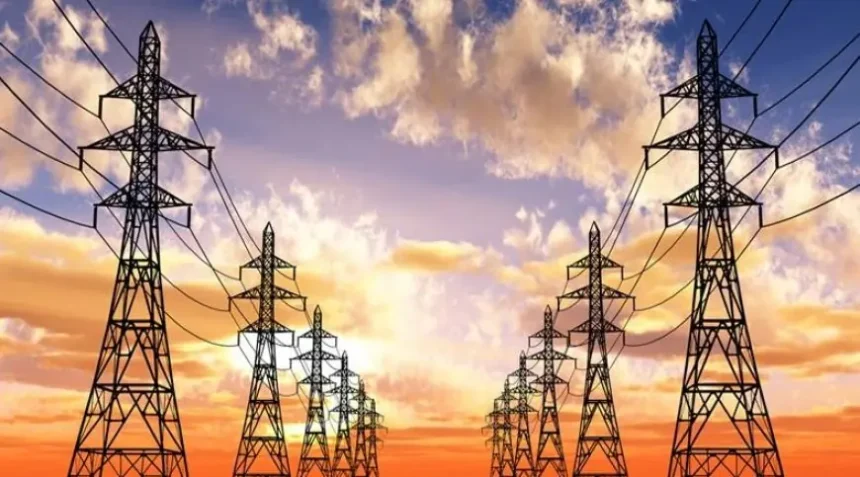
Morocco’s national electricity production edged down 0.3 percent year-on-year over the first four months of 2026, according to the country’s Directorate of Studies and Financial Forecasts, the research unit of the Ministry of Economy and Finance that tracks economic indicators.
In its latest economic briefing, the directorate explained that the dip reflected a 1.7 percent decline in private electricity generation alongside a sharper 5.7 percent contraction at ONEE, the National Office of Electricity and Drinking Water, the state-owned utility responsible for much of the country’s power and water supply. Those losses were partly offset by gains elsewhere. Output from renewable energy projects operating under Law 13-09, the 2010 legislation that opened Morocco’s renewables sector to private producers and underpins the country’s ambitious solar and wind program, rose 20.7 percent. Generation by what the report calls national third-party producers, independent operators outside the state utility, surged 209.5 percent, albeit from a small base.
Morocco’s cross-border electricity trade shifted markedly. Imports jumped 68.7 percent over the four-month period, a sharp reversal from the 4.4 percent decline recorded a year earlier. The country is connected to the European grid through high-voltage links with Spain across the Strait of Gibraltar, allowing it to buy and sell power depending on supply and price. Exports, by contrast, fell 44.2 percent, deepening a 14.4 percent drop seen the previous year.
Net energy demand, meanwhile, rose 4.5 percent by the end of April, easing slightly from the 5 percent increase posted a year earlier. Electricity consumption climbed faster still, up 8.4 percent, though that too marked a slowdown from the 13.7 percent surge recorded in the same period of 2025.


