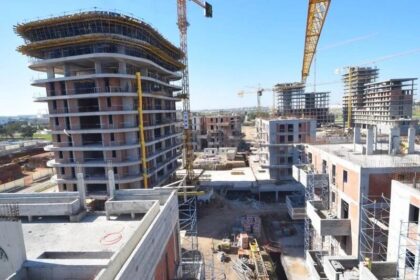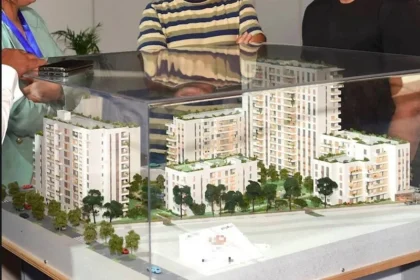

Morocco’s property market kept climbing in 2025 — but not everywhere at the same speed, and households are starting to hesitate before signing on the dotted line. That’s the picture painted by Bank Al-Maghrib’s annual report, presented to King Mohammed VI this week and reviewed by Moroccan outlet Hespress.
A capital getting pricier, a tourist hub on a buying spree
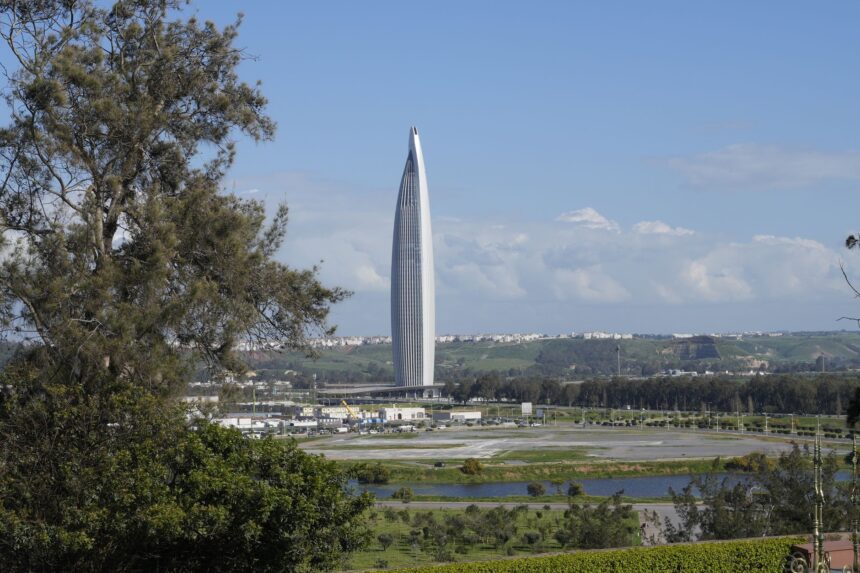
The central bank found a general rise in real estate prices across most major Moroccan cities, though with clear disparities. Rabat led the pack with the country’s steepest increase at 3.6 percent by the end of 2025, while Fez sat at the other extreme, with prices barely moving at 0.2 percent.
Nationally, the picture is one of modest growth: the real estate asset index rose just 0.6 percent in 2025, continuing the weak price momentum observed over the past two years. Residential property and urban land each gained 0.9 percent, while commercial and professional-use property edged up 0.3 percent.
Transactions tell a livelier story. After a strong 19.6 percent surge in 2024, sales volumes grew another 6.6 percent overall — 10.3 percent for land, 12.4 percent for professional-use property, and 4.9 percent for housing. Marrakech was the standout performer, posting an exceptional 29.9 percent jump in transaction volumes. Only two cities, Agadir and Kenitra, recorded declines in sales, suggesting that appetite for property investment remains a driving force in the national market despite rising prices.
Cheaper money, looser conditions
On the monetary front, 2025 marked a visibly accommodative turn. Bank Al-Maghrib cut its key policy rate to 2.25 percent in March to support economic activity and reduce financing costs, and continued to meet all bank liquidity requests, with weekly interventions averaging around 140 billion dirhams.
Bank liquidity needs actually eased over the year, settling at an average of 128.7 billion dirhams — helped in part by a decline in cash in circulation linked to the voluntary tax regularization program for individuals. Looking ahead, however, the central bank expects liquidity needs to climb gradually to roughly 143 billion dirhams by the end of this year.
Lower rates fed through to the credit market: borrowing costs fell across segments, reviving lending to private companies — particularly equipment loans that finance capital investment. Overall, bank credit to the non-financial sector (households and businesses combined) grew by 4.8 percent.
Households tap the brakes
The one soft spot is household borrowing, where the report notes a slight slowdown in both consumer and housing loans.
On the consumer side, the bank points to a clear shift in behavior: household consumption growth cooled to just 1.2 percent in 2025, down from 2.9 percent the previous year, and demand for consumer credit slowed with it.
Housing loans followed a similar pattern, reflecting a wait-and-see mood among families. With prices diverging between cities — and climbing noticeably in places like Rabat — many would-be buyers appear to prefer holding off on a multi-year mortgage commitment until prices stabilize or their purchasing power improves.
Even so, the system looks resilient. Non-performing loans held steady at just over 8 percent of total credit. While their overall volume is substantial — exceeding 100 billion dirhams sector-wide — the report concludes that borrowers’ capacity to meet their obligations continues to demonstrate solidity in the face of economic fluctuations.