


FIFA inspectors are due in Morocco before the end of November to examine the six stadiums the kingdom has proposed for the 2030 World Cup. It is the first formal test of the country’s most expensive building programme in decades.
In a statement on October 27, FIFA said its inspection tour would run through November and December 2026 across all three host nations. In Spain, the delegation has already visited Zaragoza’s La Romareda on November 11, Real Madrid’s Santiago Bernabéu on November 12, and Atlético Madrid’s Metropolitano the following day (Africa Soccer).
Morocco’s six venues
- Grand Stade Hassan II, Benslimane, near Casablanca: 115,000 seats, under construction
- Prince Moulay Abdellah Stadium, Rabat
- Grand Stade de Tanger (Ibn Batouta), Tangier
- Grand Stade de Marrakech
- Grand Stade d’Agadir
- Fez Sports Complex
Inspectors will look beyond the pitches at transport, hotels, operations and security, and will meet national and local authorities and stadium managers.
The fight for the final
The biggest prize is the final. FIFA has not decided where it will be played, and three venues are in the running: the Bernabéu in Madrid, Barcelona’s Camp Nou, and Morocco’s Grand Stade Hassan II.
Morocco’s case rests on size and symbolism. Designed by Oualalou + Choi with Populous, the Benslimane stadium would be one of the largest football venues in the world. On October 28, Moroccan federation president Fouzi Lekjaa said on 2M television that it will be ready in early 2028, giving organisers about two years of test events before the tournament (Morocco World News). In August, the project awarded a further 3.05 billion dirhams of tenders for external works, the pitch and seating (Le360).
The 2030 tournament marks the World Cup’s centenary. Uruguay, Argentina and Paraguay will each stage one opening match before the competition moves to Europe and North Africa.
More than stadiums
For investors, the stadiums are the visible tip of a much larger programme. The World Cup has become the deadline for Morocco’s infrastructure plans:
- extending the high-speed rail line from Kenitra to Marrakech;
- new trains and tramways, including a major rolling-stock contract won by South Korea’s Hyundai Rotem;
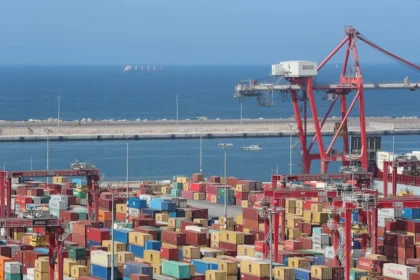
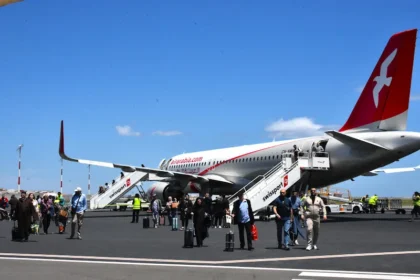
- expanded airports and new terminals to handle 26 million tourists a year by 2030;
- hotels, roads, telecoms and security systems around the host cities.
Much of this work is open to foreign contractors and suppliers, from European engineering and rail firms to hotel operators, which is why the inspection visits matter well beyond football.
The risks
The costs are large for a middle-income country where unemployment is above 10% and many young Moroccans say public money should go to schools and hospitals first. Critics also ask what happens to a 115,000-seat stadium after 2030. Supporters answer that the investment would be needed anyway and that the World Cup forces it to be delivered on time.
FIFA’s verdict on venues and match allocation is expected later. For now, the inspectors’ visit is Morocco’s chance to show that its stadiums, and the country around them, will be ready.