


The extreme heat gripping Morocco has left uneven effects on the country’s agriculture, from depleting the water table to disrupting the growth of vegetables and fruit.
Farmers and experts explained that the biggest challenge facing Moroccan agriculture during periods of extreme heat each season is water management — something that calls for growers to be aware of the importance of this strategy under the current conditions.
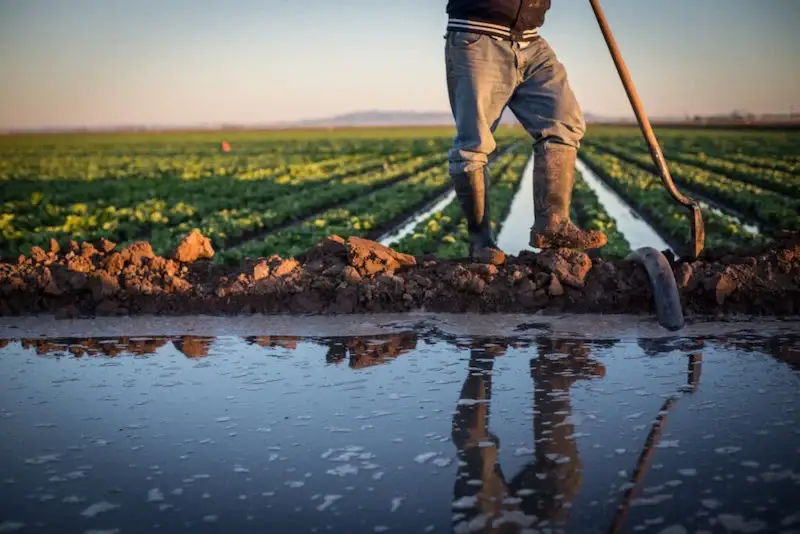
Rachid Belkadi, a farmer in the Saïss plain, said the potato season is currently drawing to a close, noting that the remaining crop is still in the ground, directly exposed to the heat — a clear illustration of how seasonal heat affects harvests.
As for the onion crop, Belkadi told Hespress that it had been in excellent condition, with a success rate reaching 100%, but was hit hard by the recent sharp rise in temperatures, which triggered a disease farmers call “el-haïqa” or “lanterno.” He also raised the problem of the heavy depletion of the water table and water more generally, stressing that despite the availability of water and irrigating vegetables day and night, the plants still appear thirsty, wilted and under constant strain from the high heat.
The farmer added that sudden heatwaves harm vegetables and fruit that are in the growth phase and adapted to a particular climate, striking to damage them and causing crop losses — among them the watermelon, onion and fruit that distinguish this region, known for its “twin fruits.” Belkadi closed with advice for farmers, including the need to irrigate during the cooler hours, such as dawn and evening, and to avoid midday — though he conceded that extreme heatwaves sometimes overwhelm all the techniques, preparations and means available to farmers.
Kamal Abrkani, an agricultural expert specializing in agricultural biotechnology, said that after the drought years Morocco has experienced, this year brought an improvement in rainfall and a recovery in dam reserves. Even so, he noted, the current focus is on the twin phenomena of water stress and heat stress — which are linked to one another — and their direct impact on the farming sector.
Abrkani explained to Hespress that cereal cultivation has been affected by farmers’ delay in sowing, with some yet to harvest their barley and wheat, a delay that leaves these crops exposed to the threats of excessive heat and raises the risk of fires breaking out.
On fruit trees, the expert said extreme heat harms them, especially as they have suffered cumulative water stress over seven years. “Despite this year’s rains, the immunity and defensive function of these trees remain weak, leaving them vulnerable to pests and causing fruit to drop and its quality to decline,” he added.
He said severe heatwaves also affect seasonal vegetables and fruit such as wheat, red and yellow watermelon and tomatoes, adding: “These conditions may affect the balance of supply and demand in the markets; while the heat may lead to a surge in marketing activity, the persistence of the (chergui) heatwaves could inflict heavy losses on farmers.”
Abrkani concluded by offering solutions to meet these challenges, calling for rationalizing irrigation cycles and avoiding ineffective periods, and using natural stimulants to boost plant immunity. He also stressed the need to choose seeds resistant to heat stress and to adopt agricultural digitization through early-warning applications for preemptive intervention.
Source: Hespress