

Key points
- Koutoubia, Morocco’s best-known charcuterie and processed-meat brand, is in deep financial and social crisis, according to reports this week by Médias24 and TelQuel.
- Médias24 puts the group’s debts at more than MAD 1.6 billion (about €147 million); TelQuel reports they could reach MAD 2.5 billion (about €229 million).
- The only court case confirmed so far is a liquidation request against one subsidiary, Casa Viande. Reports that the whole group has been declared bankrupt have not been backed by any published judgment.
- Some employees have reportedly gone three to five months without pay, and some senior staff up to 20 months.
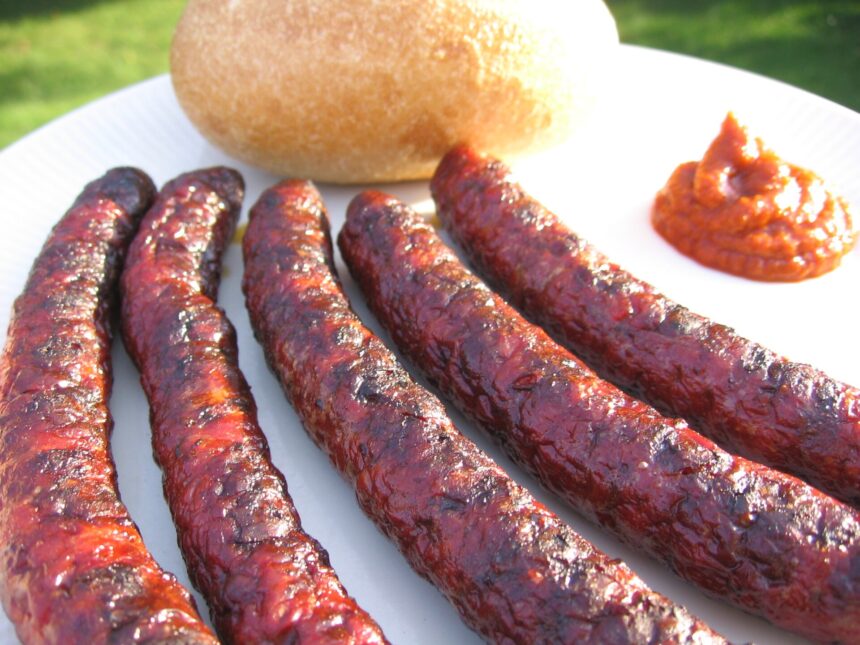
For millions of Moroccans, Koutoubia is a household name: the brand behind the cold cuts, sausages and halal charcuterie found in supermarkets and corner shops across the country. In 2017 its logo even appeared on the advertising boards at a Real Madrid–Barcelona match. Today the Mohammedia-based group is the subject of one of the most closely watched corporate crises in Morocco, and the name was among the country’s trending Google searches on Thursday.
What has happened
On 18 November, the business daily Médias24 published an investigation describing the group’s slide, based on financial data and testimony from former staff. It reported debts of more than MAD 1.6 billion, unpaid employees and rescue plans that never came to fruition. A day later, the weekly TelQuel described idle factories, assets being sold and offices in Mohammedia gradually emptying, and said the debt could be as high as MAD 2.5 billion. The two figures come from different estimates and have not been published by the company itself.
The group is built around a holding company with subsidiaries covering every stage of the meat chain, according to TelQuel: livestock breeding (Selvadinde), slaughtering (Délices Viande), cutting (Casa Viande), processing (Sapak) and distribution (Tradastar). That vertical integration was once a strength. In a crisis it means problems in one unit quickly spread to the others.
What is confirmed, and what is not
Earlier this month, several Moroccan outlets reported that the group had been declared bankrupt. The trade site Industries du Maroc looked into those claims and could not trace a court ruling behind them. Médias24 reached the same conclusion: the only verifiable legal step is a request for the judicial liquidation of Casa Viande, the cutting subsidiary, which is before the Casablanca commercial court of appeal. A court-appointed expert is examining the subsidiary’s finances and the financial links between group companies, including possible overlap with the parent company’s assets. A hearing in the case took place on 16 November.
In other words, the group is clearly in serious difficulty, but as of this week no public judgment had placed Koutoubia Holding itself into liquidation. Whether the case against Casa Viande is extended to other entities will be one of the key questions in the coming weeks.
The workers caught in the middle
The social crisis is not new. In 2023, the Confédération démocratique du travail (CDT) union accused Délices Viande of delaying wages for months and of dismissing members of a newly formed union office, as Hespress reported at the time. Employees marched to the Mohammedia prefecture in December 2023 to demand their pay.
Three years on, the situation appears to have worsened. TelQuel reports that some staff still on the payroll have not been paid for three to five months, and several senior managers for as long as 20 months. Médias24 says employees of Délices Viande are again planning to mobilise. For workers, the most pressing question is a legal one: which company in the group is liable for the unpaid wages, and which units, if any, will keep operating.
Mohammedia, an industrial port city between Casablanca and Rabat, has already lived through the long shutdown of the Samir oil refinery. The Koutoubia crisis adds to concerns about industrial jobs at a time when national unemployment has risen to 10.5%.
Why it matters beyond one company
Koutoubia’s troubles touch several issues that investors in Morocco follow closely.
- Family-run groups and governance. Many of Morocco’s large private companies are unlisted and family-controlled, with limited public financial disclosure. When problems surface, as here, the first detailed figures often come from journalists rather than audited accounts.
- Bank exposure. Debts of MAD 1.6 billion or more are significant for a private agri-food group. Moroccan banks have been reporting lower risk costs in 2026; large corporate failures are exactly the kind of event that can reverse that trend for individual lenders.
- Insolvency law in practice. Morocco’s commercial courts have handled a series of high-profile restructurings in recent years, from the City Club gym chain to construction firms. The Koutoubia case will test how quickly the system can protect employees and creditors in a group with many interlinked entities.
- A market that will not disappear. Demand for halal processed meat in Morocco remains strong. If parts of the group are sold, competitors or new investors could take over brands, plants or distribution networks.
What to watch next
The next steps are the court’s decision on Casa Viande after the expert report, any move by creditors or the courts to extend proceedings to other group companies, and whether the authorities or the union secure a settlement on back pay. A sale of the Koutoubia brand or of individual plants would also signal whether the business can be saved in some form. None of the outlets cited reported a public response from the group, and Morocco To Invest will update this story as official decisions are made.
Frequently asked questions
Is Koutoubia bankrupt?
Not officially, as far as published court decisions show. A liquidation request targets one subsidiary, Casa Viande, and is being examined by the Casablanca commercial court of appeal. Reports of a group-wide bankruptcy have not been confirmed by a public judgment.
How much does Koutoubia owe?
Médias24 reports debts above MAD 1.6 billion; TelQuel says they could reach MAD 2.5 billion. The company has not published its own figures.
Are Koutoubia products still on sale?
Some activities have stopped, according to TelQuel, but the reports do not say that all production has ended. Availability may vary by product and region.