



Ten months after one of the most chaotic finals in African football history, the question of who really won the 2025 Africa Cup of Nations is about to be settled in Switzerland. The Court of Arbitration for Sport (CAS) in Lausanne has said it expects to deliver its award by the end of November, and the Moroccan press reported this week that the case has reached the final stage of deliberations.
A final decided off the pitch
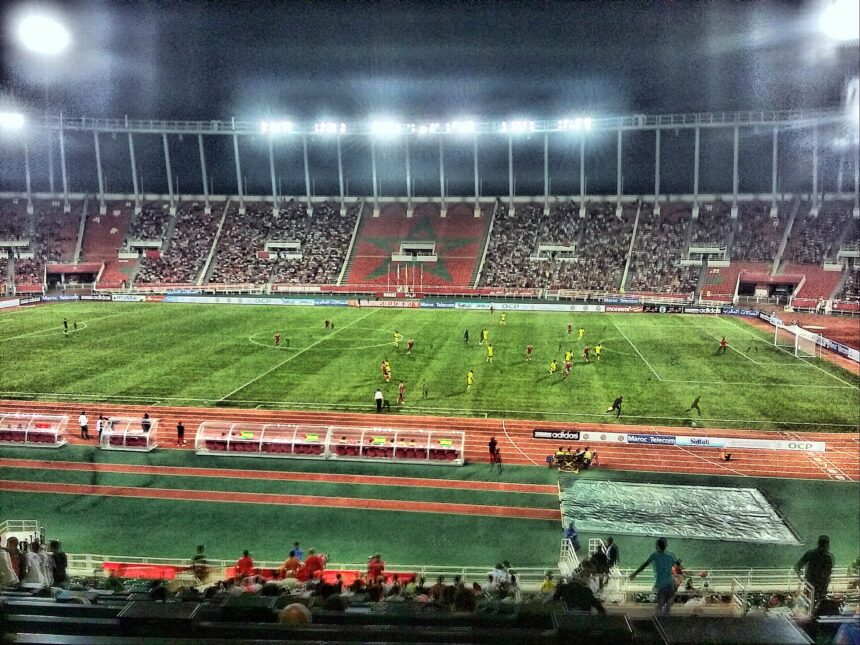
The final was played on January 18, 2026, at the Prince Moulay Abdellah Stadium in Rabat. Late in the game, Senegal had a goal disallowed and the referee then awarded a penalty to Morocco. In protest, Senegal’s players left the field before eventually returning. Morocco missed the penalty, the match went to extra time, and Senegal scored the only goal to win 1-0. The Senegalese players lifted the trophy that night.
The result did not stand. CAF’s disciplinary body initially upheld the score, but on March 17 the CAF Appeals Board ruled that Senegal had breached the competition regulations by walking off, declared that it had forfeited the final, and recorded a 3-0 win for Morocco, which was crowned champion.
The appeal in Lausanne
Senegal’s football federation appealed to CAS on March 25, asking the court to set aside CAF’s decision and declare Senegal the winner. Its main argument is that the referee allowed the match to be completed and that his decision on the field should be final. The parties did not agree on a fast-track procedure, so the case followed the standard timetable.
The hearing took place behind closed doors at CAS headquarters on October 8, with Senegal, Morocco and CAF all presenting their arguments. CAS director general Matthieu Reeb said at the time that he hoped for a decision within days. On October 19, however, the court announced that the arbitrators had decided to issue a full, reasoned ruling, known as a CAS Award, and that this would take several weeks, with the decision expected at the end of November.
What happens next
CAF President Patrice Motsepe has said the confederation will abide by whatever CAS decides. Senegal’s camp has been publicly confident; Morocco’s delegation chose not to speak to reporters after the hearing.
The stakes go beyond a trophy. A ruling for Morocco would confirm, at the highest level of sports justice, that walking off the pitch in a final can cost a team the title. A ruling for Senegal would restore the on-field result and raise questions about how CAF handled the case. Either way, the decision will be scrutinised far beyond Africa: Morocco is co-hosting the 2030 World Cup and has built its reputation as a reliable organiser of major tournaments, while Senegal remains one of the continent’s leading football nations.
The case has also been marked by a flood of rumours. Fake CAS documents claiming a verdict circulated online during the summer, prompting the court to deny that any decision had been made. Fans on both sides are advised to wait for the official award, which CAS will publish on its own website.