


Brazil is racing to secure fertilizer supplies from Morocco, Russia and China as a phosphate shortage threatens its vast agricultural sector.
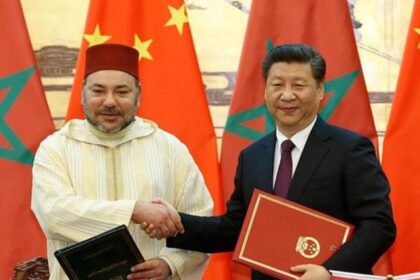
Brazil’s government, working through the presidential office and the foreign ministry, is stepping up efforts to open urgent channels of communication to sign understandings that would guarantee the flow of fertilizers to Brazilian farmers from Morocco, Russia and China, in a bid to avoid any paralysis or decline in crop production, according to the newspaper Valor Econômico.
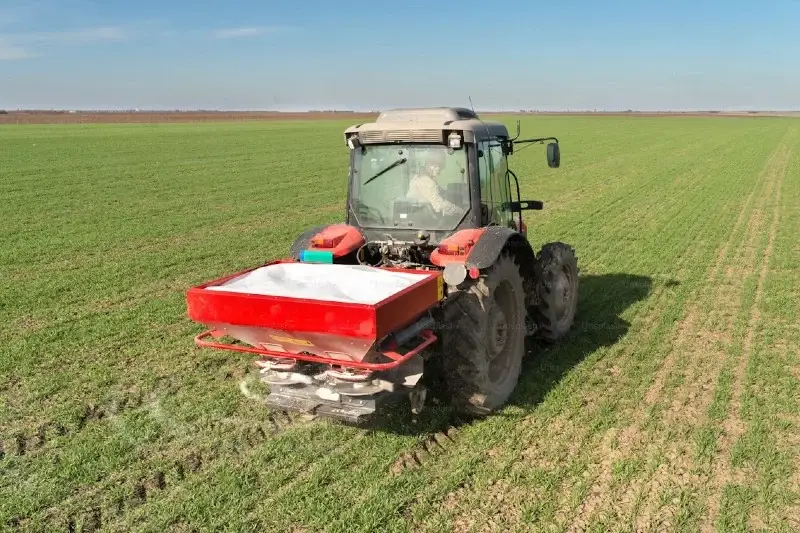
The paper reported that Brazil’s agricultural sector faces an acute shortage of phosphate fertilizers and the essential raw materials needed for upcoming growing seasons, owing to global geopolitical disruptions and restrictions imposed by some countries on exporting these materials to protect their domestic markets.
Brazil relies almost entirely on imported fertilizers to sustain its farm output, importing between 85 and 90 percent of its needs to supply its vast agricultural sector — a dependence that has pushed the government to move urgently to confront the anticipated logistical shortfall, especially amid rising prices worldwide.
According to official figures from Brazil’s national supply company (Conab), the country set a new record for fertilizer imports last year, with volumes reaching 45.5 million tonnes, an annual increase of about 2.68 percent — though the figure did little to ease farm production costs, which remain high and subject to swings in the international market.
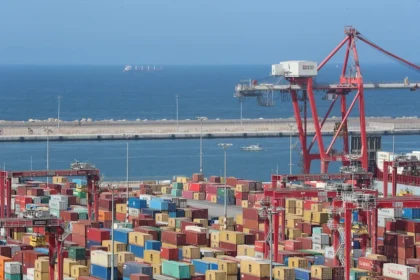
Entry of these agricultural inputs remains concentrated in the country’s main logistical corridors. The port of Paranaguá led imports in 2025 with a throughput of 10.89 million tonnes, followed by the port of Santos with 8.42 million tonnes, and then the ports of the northern arc (Arco Norte), which together recorded 8.27 million tonnes of fertilizer entering last year.
Specialized Brazilian reports stress that fertilizers, despite ample supply, remain among the main components driving up agricultural production costs, because the final price paid by the producer is affected by multiple factors such as the exchange rate, international shipping, domestic logistics, agricultural credit and the timing of purchase.
A study by the National Confederation of Agriculture and the National Rural Training Service (CNA/Senar), in partnership with Brazil’s Center for Advanced Studies in Applied Economics, found that the timing of fertilizer purchases was decisive for the cost of the 2025/2026 season in several regions. Farmers who put off buying inputs between January and April and instead purchased between May and June faced a sharp rise in fertilization costs, exceeding 18 percent in some cases, particularly as the delay coincided with a period of elevated market prices.
The same reports noted that the record import figure reinforces Brazil’s strong integration into the global fertilizer market, ensuring large-scale supply, but at the same time increases the country’s vulnerability to external shocks such as geopolitical conflicts, exchange-rate fluctuations and international logistical problems.