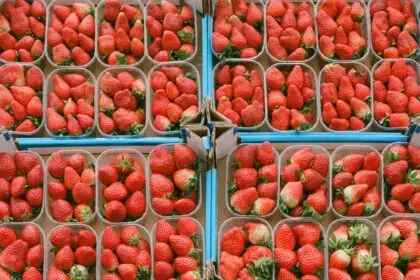

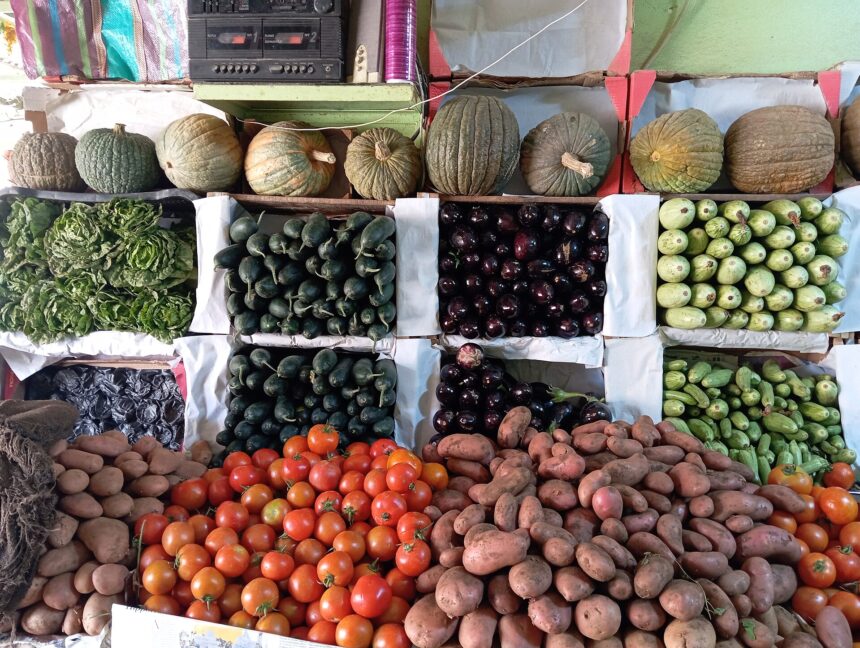
Morocco has stopped selling tomatoes, potatoes and onions to the rest of Africa. Since November 5, exports of the three staples to African markets have been suspended, and the ban is still in force. Everything else can still be shipped (FreshPlaza).
The Agriculture Ministry says the goal is to keep the domestic market supplied and stop prices from jumping. Supply is tight at this time of year: potatoes, for example, are coming out of storage until the next harvest at the end of November.
Exporters want a quota, not a ban
West Africa has become a fast-growing outlet for Moroccan vegetables carried by truck down the Atlantic coast. On November 9, Mohamed Zemrani, who heads AMPEPAFRIC, the association of producers exporting to Africa, met the agriculture minister. Exporters did not dispute that the domestic market comes first. They asked for a volume quota that would keep some trade flowing.
Their fear is commercial: buyers in West Africa who cannot get Moroccan produce will turn to other suppliers, and market share is hard to win back. Grower representatives at the meeting described the freeze as temporary and expect normal trade to resume soon.
Food prices are political
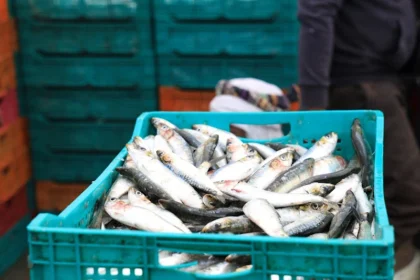
This is not the first time Rabat has put shoppers ahead of exporters. Morocco also froze sardine exports earlier this year, and tomato prices caused public anger in previous winters. With a new government in office and fuel prices high, the authorities have little appetite for another food-price story.
Europe is not affected
For European buyers, the important point is that the freeze covers African markets only. Shipments to the EU and the UK, by far the more valuable trade, continue. And that trade is growing:
- Agriculture and agri-food exports reached 72.4 billion dirhams in the first nine months of 2026, up 10.7%, according to the exchange office.
- Agri-food exports to the EU hit €2.66 billion in January–July 2026, slightly above last year, according to European Commission data. EU agri-food exports to Morocco fell 10% over the same period (Morocco World News).
- Moroccan fresh produce sold to Spain topped €700 million in the first four months of the year, keeping Morocco ahead of every other supplier to the Iberian market.
- More than 80% of fresh fruit and vegetable exports pass through Tanger Med, where peak traffic reaches about 700 produce trucks a day.
Across 2025, Morocco exported 86.2 billion dirhams of agri-food products, 38% more than in 2020 (Le360).
The bigger picture
Morocco’s agriculture plays two roles. It is a winter vegetable garden for Europe and a fast-growing supplier to Africa, but it also has to feed about 37 million people after years of drought. The freeze shows which role comes first when supplies are tight. Investors in Moroccan agribusiness, logistics and cold-chain should treat the African export channel as attractive but politically exposed. The European channel, protected by long-term contracts and the EU Association Agreement, remains the more stable bet.